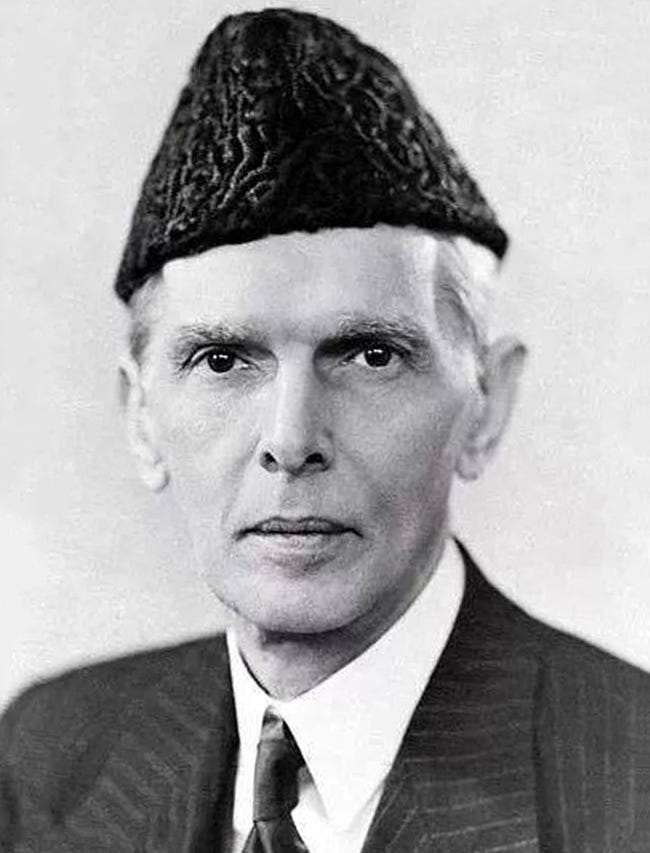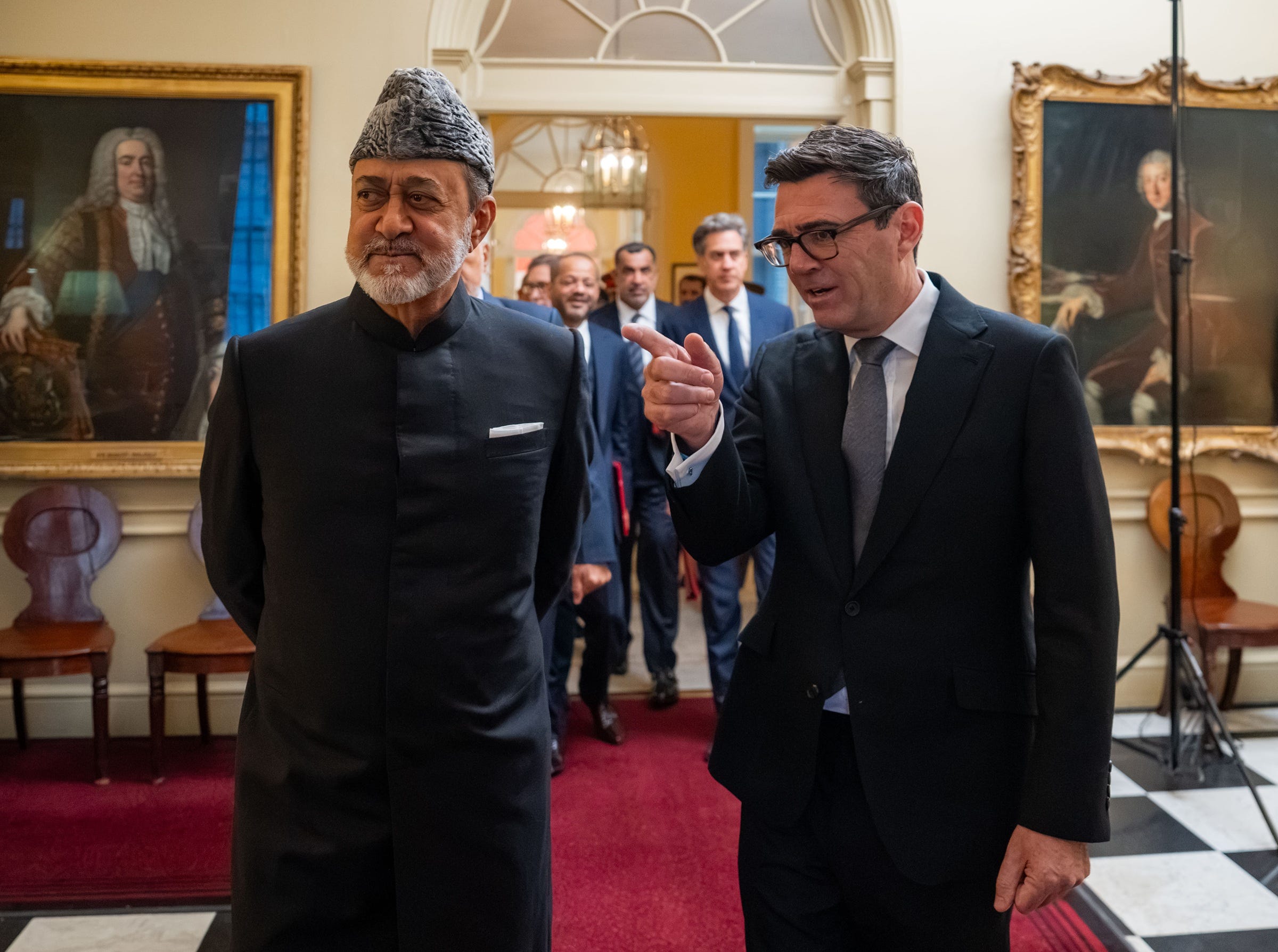
When the Sultan of Oman stepped onto British soil last week, he wore a hat that belonged to no Omani wardrobe. Smooth, dark, and lustrous, it was a karakul, its fur drawn from the newborn lamb of a desert sheep named for Karakul, the black lake in Turkic that lies in the arid district outside Bukhara, the ancient Persian-speaking city rising from today’s Uzbekistan. There, in 1832, the Scottish officer Alexander Burnes passed a month among shepherds who, he wrote, spoke of nothing but fleeces and markets. He watched some two hundred thousand skins leave the city each year, and almost none of them wandered toward Kabul. The hungriest buyer was Persia, where a traveler in 1808 found every man, from the Shah upon his throne to his humblest subject, crowned in a tall black lambskin cap, ten or fifteen skins cut and stitched to make a single one.


Afghanistan’s chapter opened later. From the early 1900s the cap marked every educated city man from Kabul to Herat, and above all across the northern plains, where herders raised the sheep with their own hands. Then, in September 1920, the Red Army stormed Bukhara, and its last emir, Alim Khan, fled to Kabul with tens of thousands of merchants and herders streaming behind him. They made Afghanistan a giant, sending more than three million skins a year into the auction halls of London and New York before 1979.
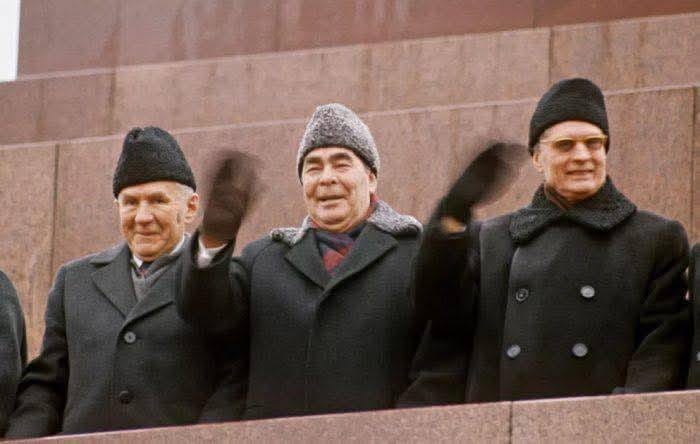
From those halls the cap traveled onward, onto the head of Pakistan’s founder, Muhammad Ali Jinnah, in 1937, onto Kashmiri leaders, and into the sober ranks of the Soviet Politburo. Oman’s thread runs through India, through the port of Gwadar the Sultans ruled on the Baloch coast, through an army of Baloch soldiers and a capital whose trade flowed through Indian merchants, and through a royal family schooled on the subcontinent precisely when the karakul had become the crown of a Muslim elite. Omani men wear instead the embroidered kumma and the massar. Today you will sooner glimpse a karakul on a Gulf sultan at Windsor than on a street in Kabul.