

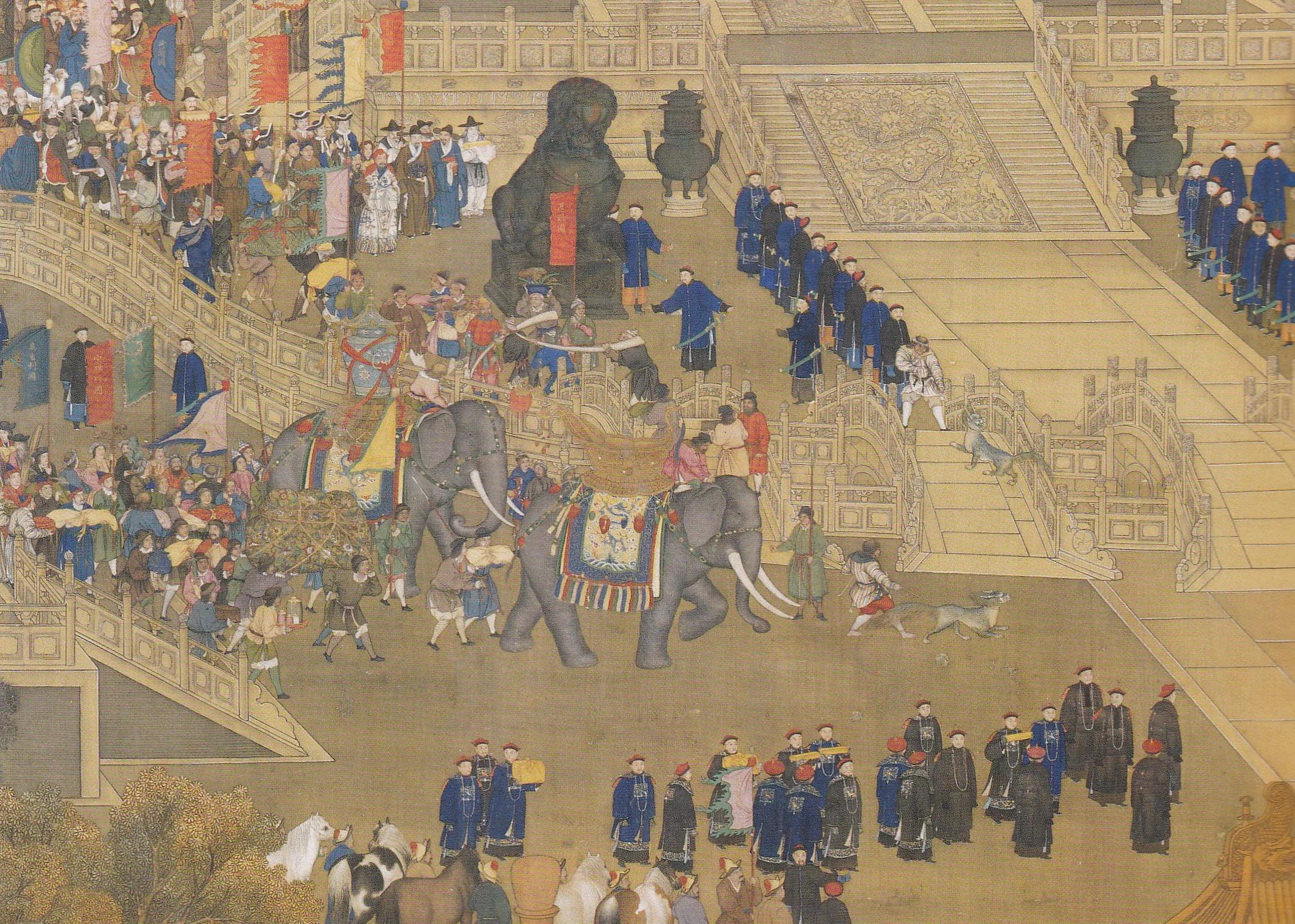
Step back eight centuries to join Ye-lü Ch’u ts’ai on a remarkable journey across the face of medieval Asia. Born in 1190 and serving as a key minister to the legendary conqueror Chinghiz Khan, Ch’u ts’ai accompanied the Mongol army on a sweeping western expedition spanning from 1219 to 1224. This perspective, captured from an abstract of his largely lost memoir, Si yu lu, or “Account of a Journey to the West,” provides a unparalleled look at the geography, cultures, and daily life of a world in profound transition, chronicled by an educated statesman from the former Liao imperial family who himself was taken prisoner at Peking just years before.
The expedition commenced with a rigorous ascent. Leaving Yün chung in April 1218, Ch’u ts’ai first traversed the imposing T’ien shan and the formidable “great stony” and “sandy” deserts to join the Khan’s great camp. The next year, the vast Mongol host mobilized and headed west, confronting the Kin shan range, where masses of ice and snow piled so high, even in mid-summer, that the army was forced to physically cut its passage. Yet, this high wilderness was not just a frozen obstacle; Ch’u ts’ai noted the presence of towering pine and juniper trees and described valleys extraordinarily rich in grass and flowers, with rivers flowing westward to a great lake. Descending from these peaks led them toward the city of Bishbalik, a vibrant Uigur settlement where the traveler encountered an ancient T’ang dynasty tablet identifying the site. He documented the Han hai, a several hundred li expanse—sometimes described as a sea with a bird-filled island—which the expedition itself crossed.
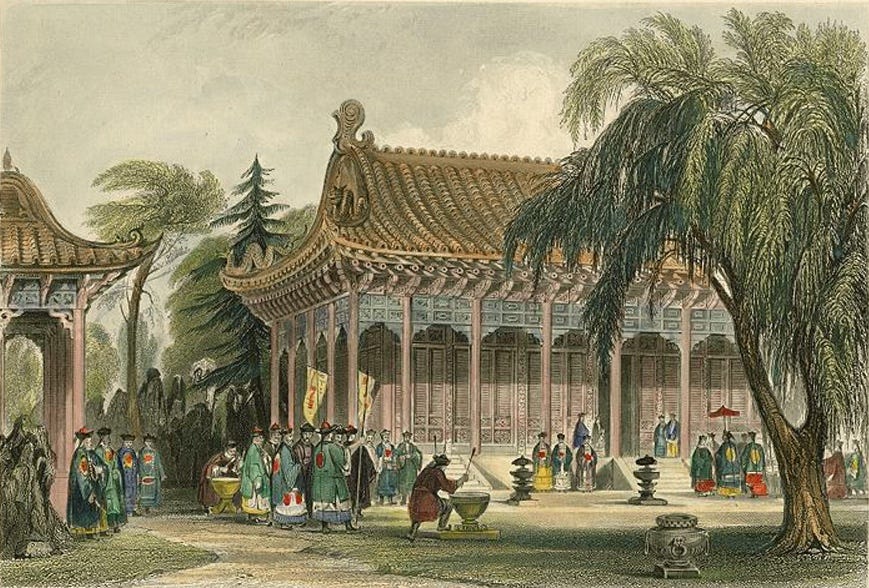
The landscape consistently revealed deep historical layers. South of Bishbalik lay Huo chou, the former Kao ch’ang. Farther west, Wu-duan (Khotan) was identified with the Yü t’ien realm, a land where a notable river yielded both white and black jade stone. After crossing a thousand li and navigating the great desert, the expedition reached the spectacular Yin shan range, stretching immense distances east to west. At its summit, Ch’u ts’ai discovered a massive lake seventy or eighty li in circumference. South of this water lay dense, dark forests of lin kin trees, creating a canopy so thick that the sun’s rays simply could not penetrate.
This forested realm led to a city named for its signature tree. The Western people call a crab-apple a-li-ma, and thus, the city was A-li-ma (Almalik), its surrounding orchards abundant with these trees. Ch’u ts’ai observed that this region was rich in grapes and pears and cultivated the same five kinds of grain found in China. Moving beyond Almalik meant crossing the great Ili River, taking the expedition into the heart of the Si Liao realm and the key trade cities of Central Asia. He visited Hu-sz’-wo-lu-do, the capital of the Si Liao, and Talas, located still further west. The journey then pressed into the cities of the fertile Ferghana Valley. In Ku-djan, people pressed delicious, sour-sweet pomegranates as large as two fists to create a popular beverage. Ba-lan was surrounded by its namesake almond gardens, featuring unique trees with pale, apricot-like blossoms and leaves narrower than those of a peach. At Ba-p’u, the traveler was astonished to find water-melons so massive they weighed fifty pounds each.
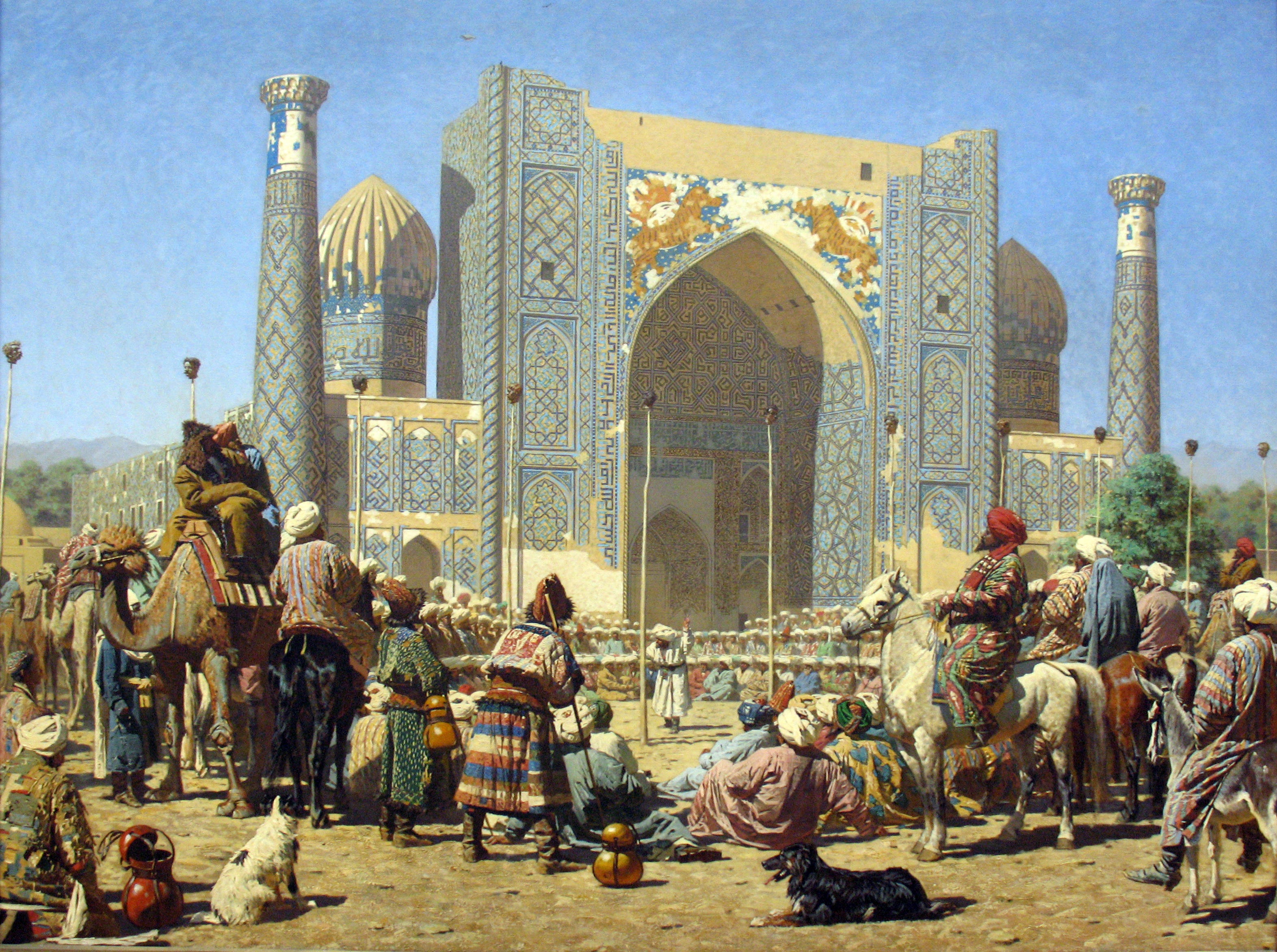
One of the highlights of the survey was Sün-sz’-kan, or Samarkand, a stunning and populous metropolis where Western residents interpreted the name itself as “fat,” indicating its remarkable fertility. This is a land of unusual commerce, where gold and copper coins are minted without holes or rims. Ch’u ts’ai described it as a “delicious place,” entirely surrounded by orchards, groves, gardens, aqueducts, springs, basins, and round ponds extending for several tens of li. The water-melons here grow even larger, rivaling a horse’s head in size. He noted that while mulberry trees are present, they are unsuited for silkworm breeding, and he specifically recorded the absence of certain Chinese grains and vegetables. Still further west lay Bokhara, described as even richer than Samarkand, the residence of the Sultan of the Mussulman people. Bokhara sat near the great Amu-daria, which flowed west to a sea. Across this water was Urghendj, home to the Sultan’s mother and a city even more rich and populous.
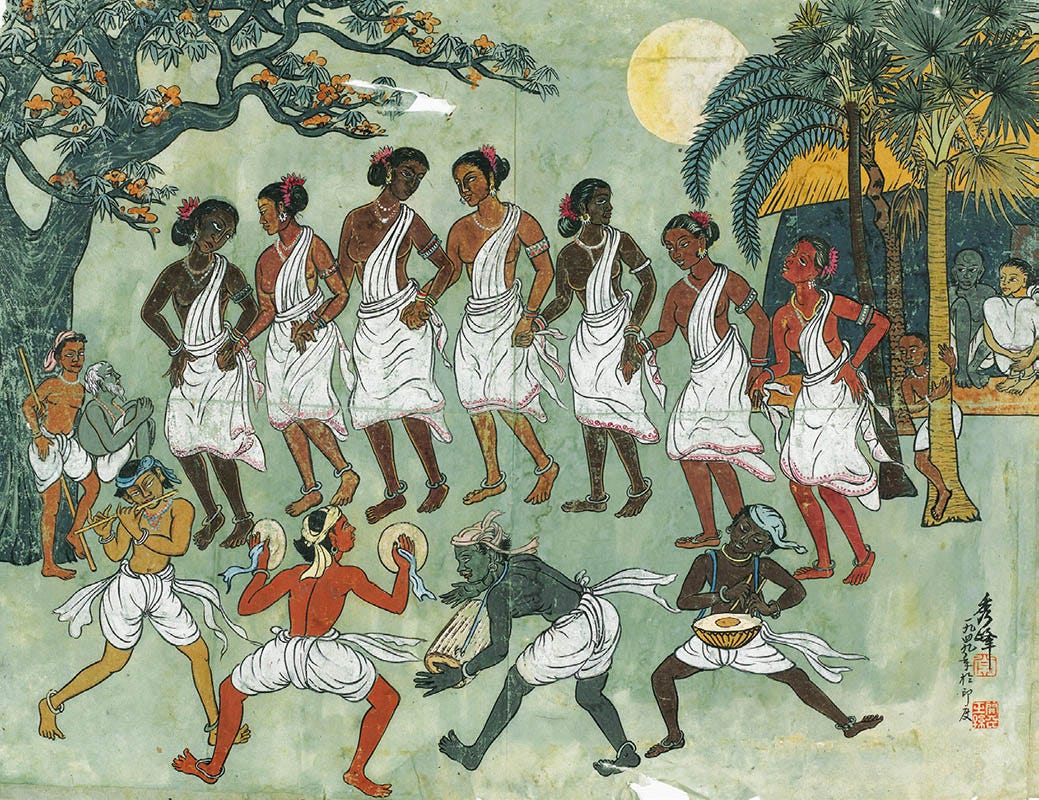
The furthest travels extended south, into the “strange” and “surprising” lands of Yin-du, or Hindustan. Here, Ch’u ts’ai encountered customs entirely alien to his experience. The writing differed fundamentally from Sanscrit, and the land was dotted with many idols of Buddha. Surprisingly, the people reaped two crops a year but steadfastly refused to kill cows or sheep, consuming only their milk. Snow was completely unknown in this climate. The heat was described as so intense that a vessel of tin placed in the sand would melt immediately, and the very moonlight was said to be as harmful as a summer sun. This is a region of vast sugar-cane cultivation used to create wine and sugar. To the south, a large river, its rapid water as cold as ice, discharged into the southern sea. Paradoxically, moving to the north-west of Hindustan led to the K‘o fu-ch’a plains, a vast region with no hills, cities, or towns. The people here are purely nomadic, breeding massive herds of cattle and horses and creating a fermented beverage from honey rather than grapes. This environment also presented the strange phenomenon of extreme summer days, where the sun rises in little more time than is required to cook a single mutton chop. These observations from Ye-lü Ch’u ts’ai offer a vivid window into the medieval world, where an educated minister for a global empire found a universe of unexpected landscapes, cultures, and natural wonders.